Bob Foos
A solemn ceremony will be held Monday afternoon to memorialize the 100 children in previously unknown graves in the Purcell Friends Cemetery.
At 4 p.m. Monday, Stan Woodmansee will read the names of the children.
Annie Golden, director and archivist at the Jasper County Records Center in Carthage, will read a short history. And she’ll read the names of another mysterious nearby grave site that’s known as the Indian Cemetery.
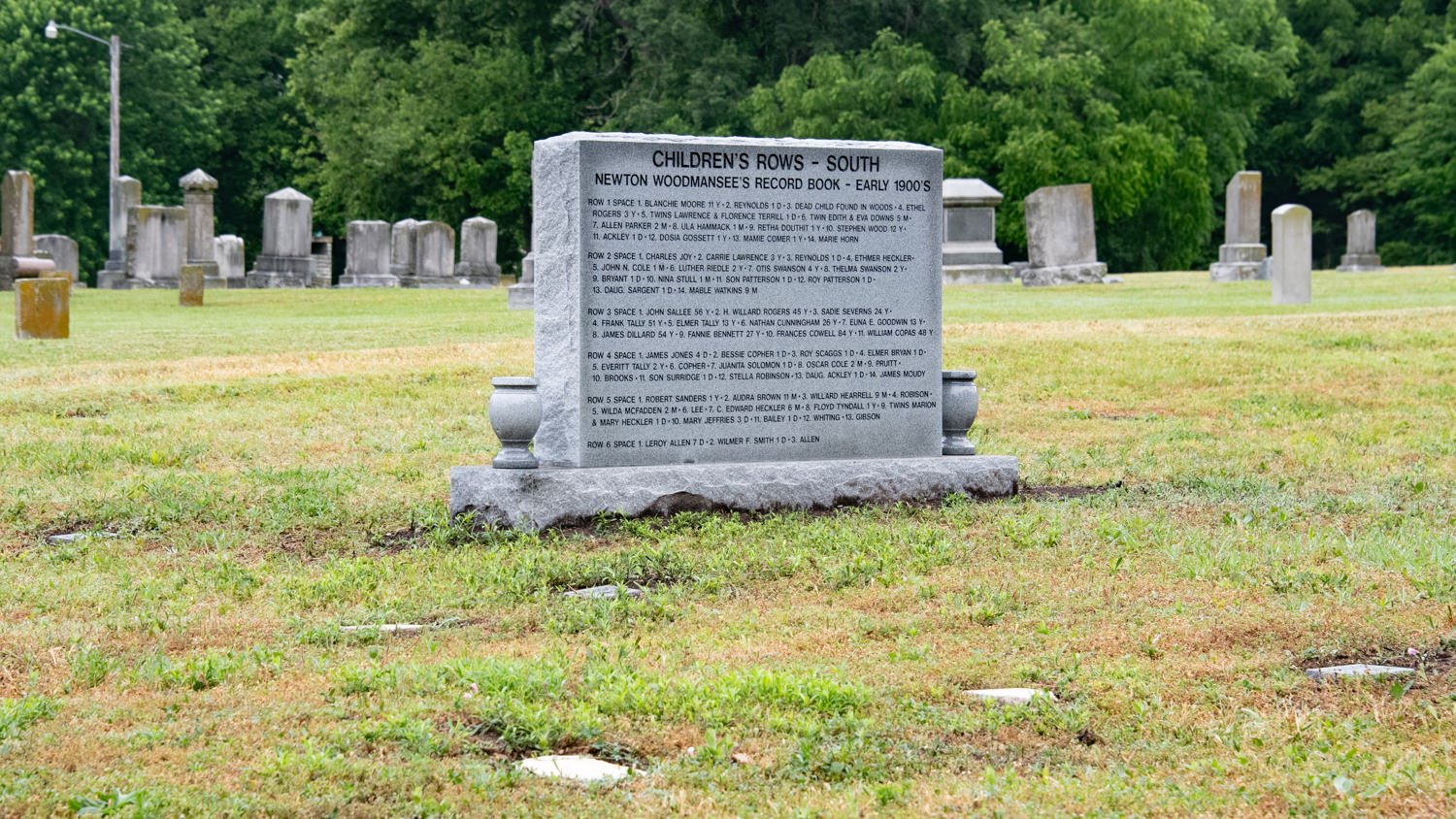
Also, a memorial stone, inscribed with the names and ages of all those in the children’s rows who have been identified, has recently been placed near the children’s rows.
It was Stan Woodmansee’s great-grandfather, Newton Woodmansee, who kept the long-forgotten record of the children’s burial plots. That 70-page record book was found at the old family home in Purcell when the family gathered for Thanksgiving in 2024.
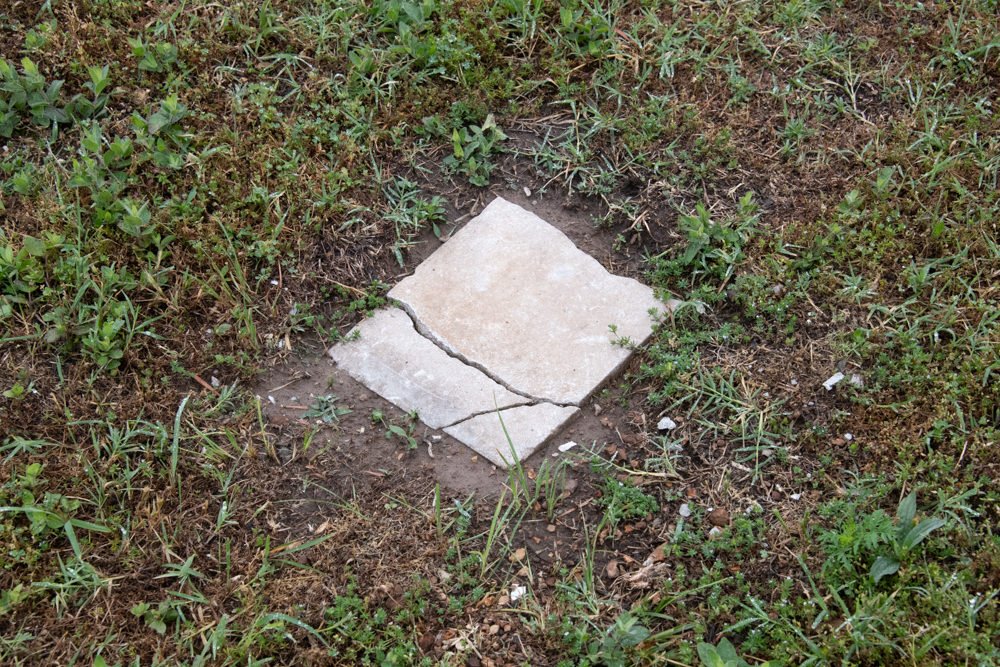
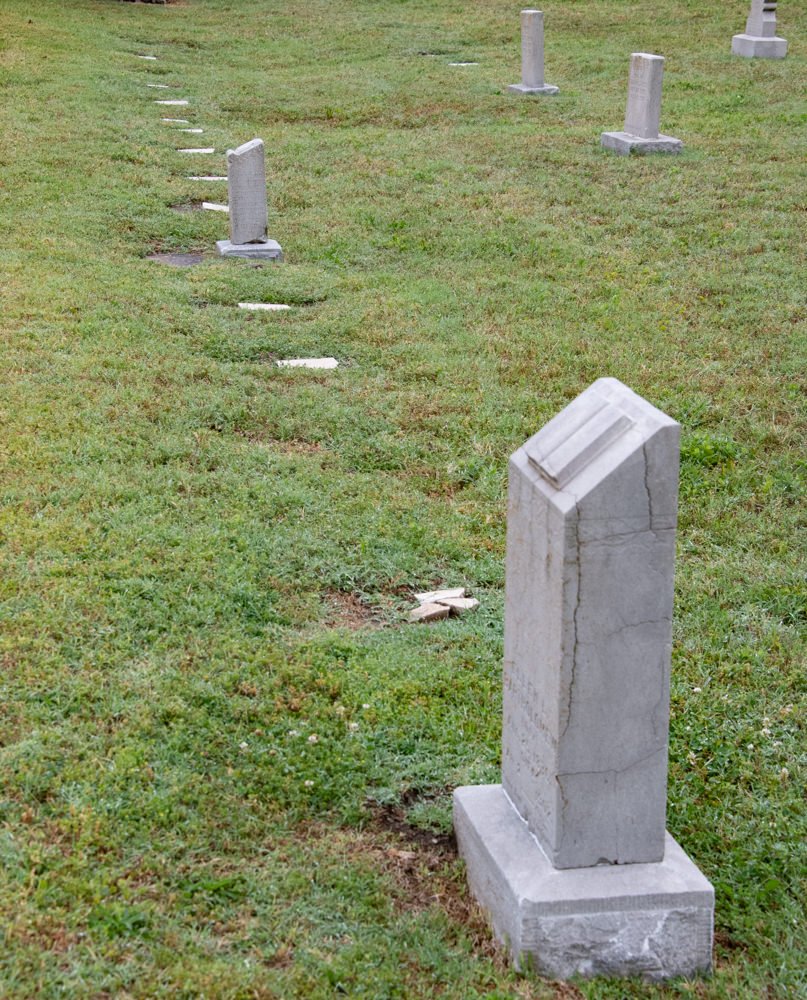
Gail Boyer, a cemetery board member, says the identity of those in the unmarked graves in the northeast corner of the cemetery had been a lingering question for years.
So the discovery of Newton Woodmansee’s Record of Cemetery began a months-long search for information about the names listed in the book. The burial records date back to 1902, when Newton’s father, David, served as sexton and continue through Newton’s death in 1924.
Although burials in that portion of the cemetery date back to 1870, Boyer says it became primarily a children’s burial section around the turn of the 20th century.
Approximately 100 children and 24 adults are listed in the pages referred to as the “Children’s Rows.” Other unmarked graves have also been located, but so far, no records have been found to identify those buried there.
A significant number of these individuals were buried with little or no cost. Some have family members buried in other parts of the cemetery, but many do not.
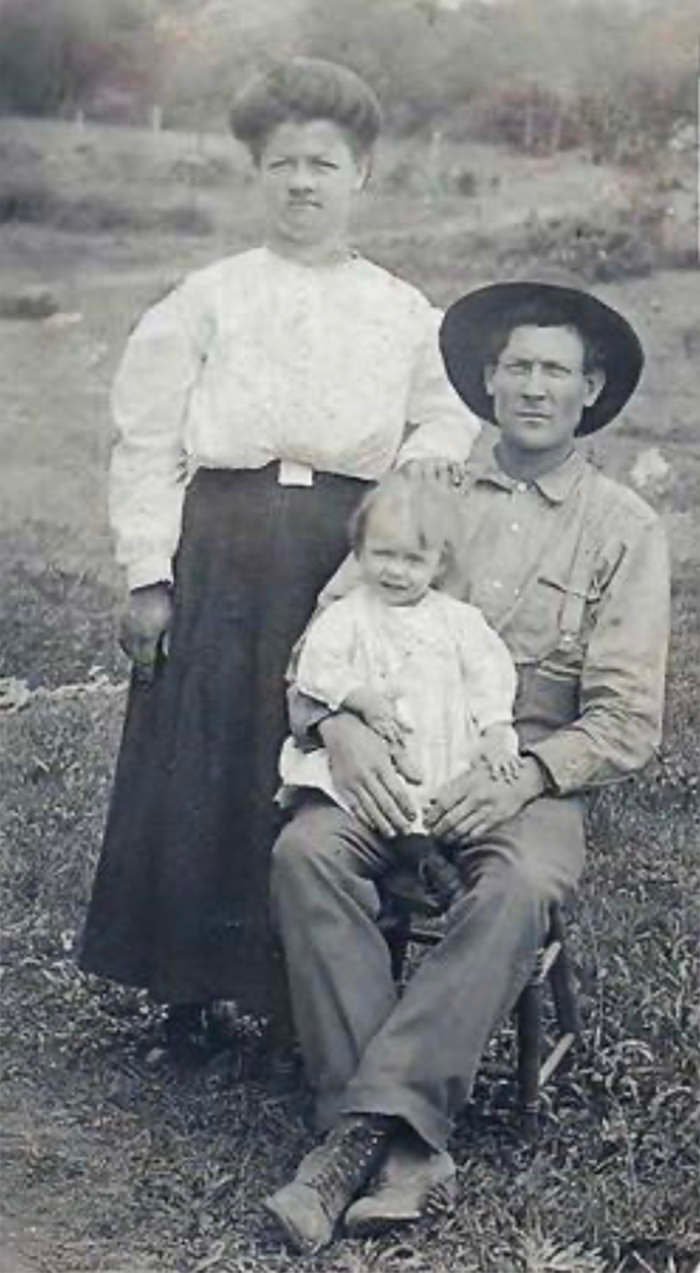
There is a picture on FindaGrave.com of one child, Retha Douthit, with her parents. She was less than 2 years old when she died and was buried in Purcell. Her parents were buried in Cherokee County, Kansas.
To better understand these two mysteries, Boyer says it is important to look at what life was like in the Alba, Purcell, Neck City area from the 1880s to the 1920s.
According to historian Clyde Hood, the years between 1910 and 1920 were the peak years for mining in the Tri-City Area. “During the World War I era, 1914-1918, lead and zinc mines were booming in nearby northeast Oklahoma, where the ore was easier to get. Mining production began to be significantly reduced with many mining companies moving their operations there.
“From the 1910 census to the 1920 census, Purcell saw its population drop from 994 to 603. By 1930, only 362 people were enumerated in the city. In the time of 1910 to 1920, Neck City went from 528 people to 241. By 1930 it was 123. Similar results were had for Alba.
“While many local residents had worked in the mines, a great number of the mines were itinerant workers who moved from job to job, never settling down at any one place for a lengthy period. The work was brutally hard and extremely dangerous. Newspaper accounts of stories and obituaries of accidents and deaths in the mines were common.”
Hood cites economic depressions from 1902 to 1914 as a reason why so many of the burial plots went unpaid for in the children’s section. Plots were purchased for as little as 50 cents, with the maximum being $7.50.
We use cookies to improve your experience on our site. By using our site, you consent to cookies.
Manage your cookie preferences below:
Essential cookies enable basic functions and are necessary for the proper function of the website.
Statistics cookies collect information anonymously. This information helps us understand how visitors use our website.
Google Analytics is a powerful tool that tracks and analyzes website traffic for informed marketing decisions.
Service URL: policies.google.com (opens in a new window)