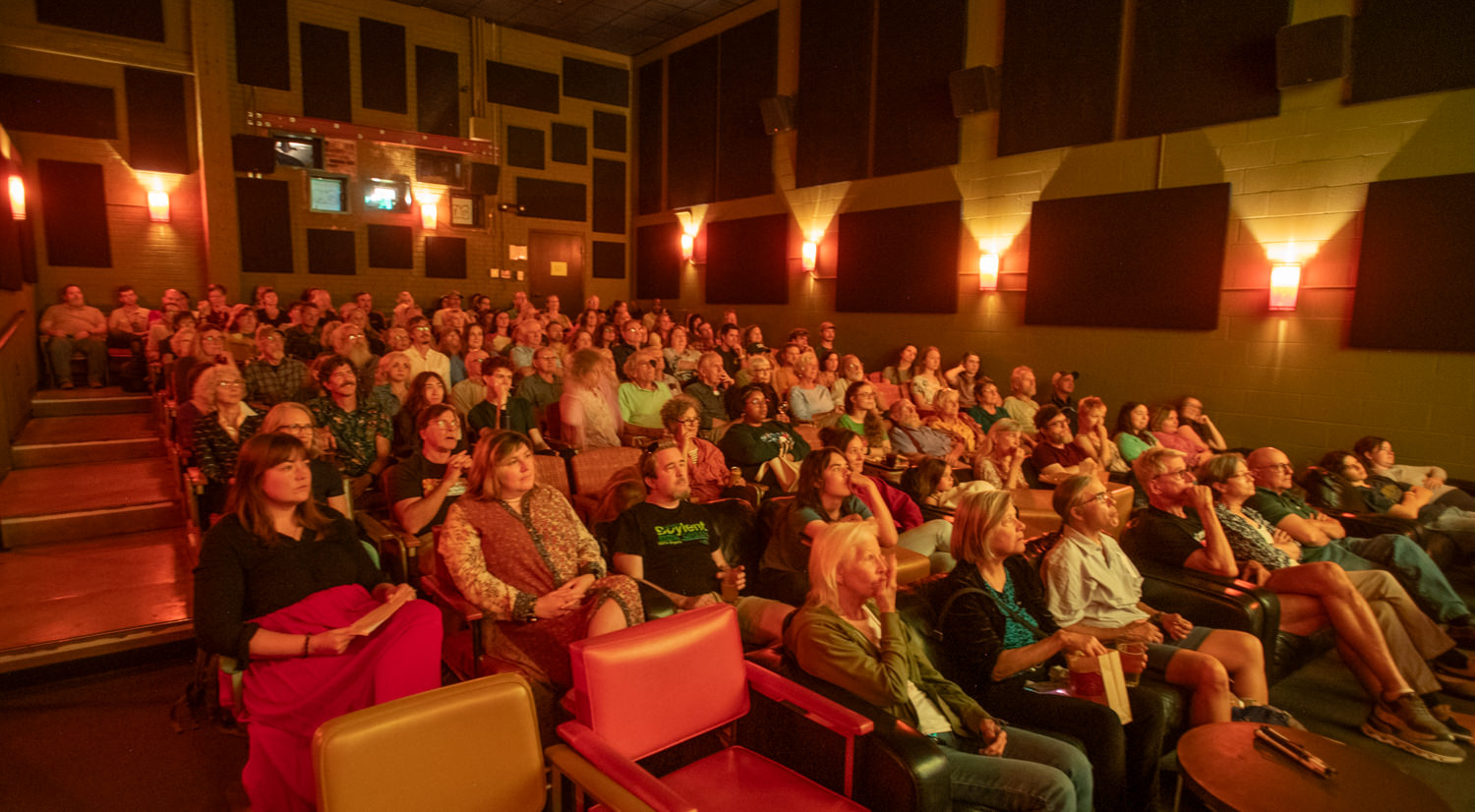
The Ragtag Cinema in Columbia is sold out Monday for the screening of two documentaries, "Cardinal Valley: A Restoration Story" and "Living Soil."

GO POOP: The need for compost to restore wasteland goes far beyond Webb City


Bob Foos

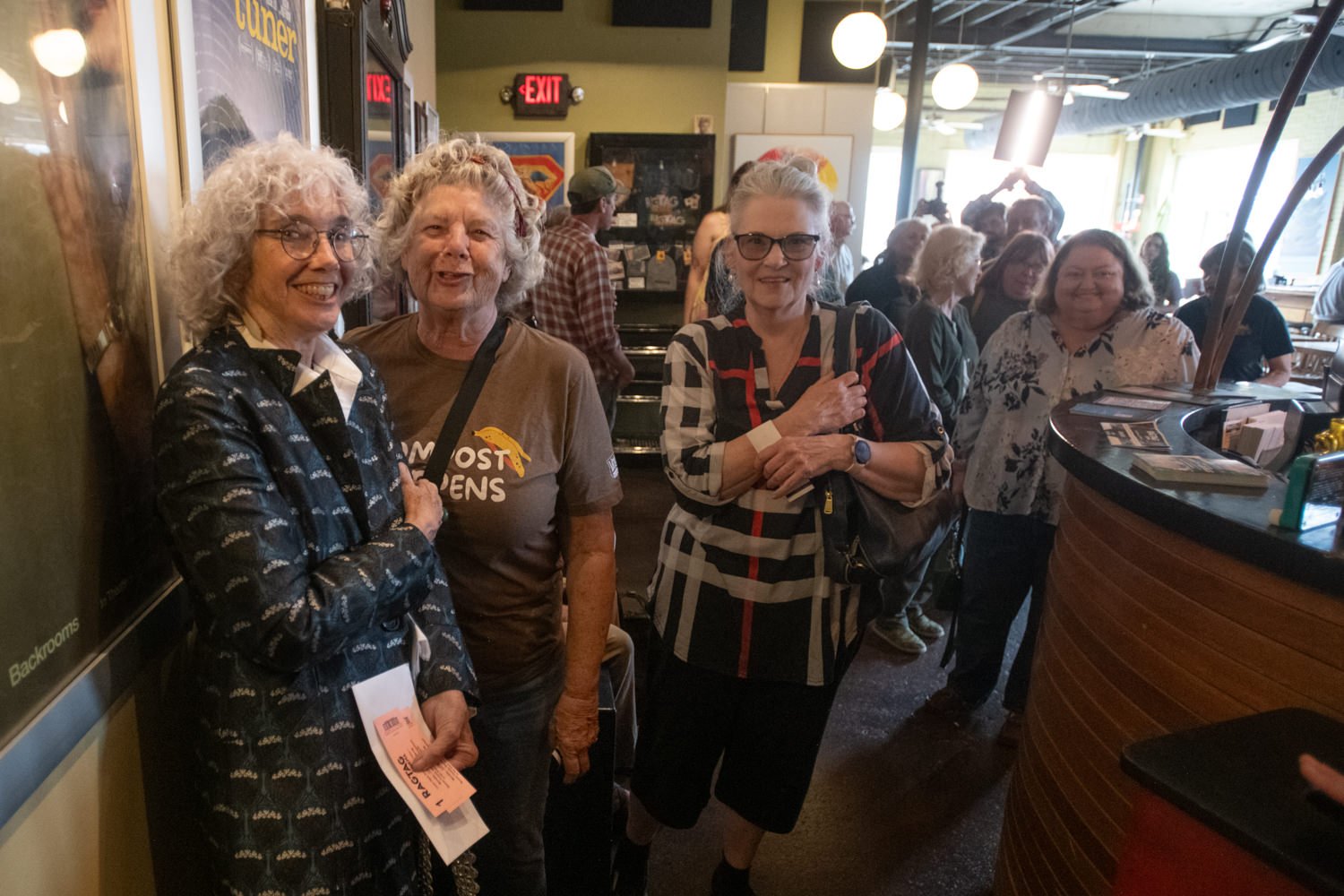
Three smiling women stand near a curved café counter inside a busy room, with other guests in the background.
Meredith Ludwig, producing director of "Cardinal Valley: A Restoration Story," hands out tickets prior to the documentary's showing Monday at Ragtag Cinema in Columbia.

The documentary starring Webb City’s Cardinal Valley Habitat received enthusiastic applause on Monday in Columbia.

It was the second screening of “Cardinal Valley: A Restoration Story,” which premiered here on June 4.

The film opens with old photos showing the moonscape of chat piles left behind when the mining companies moved on from Webb City.

Locals interviewed for the film told recalled living – and playing – amongst the “mountains” of mining remains and marveled that they survived.

The EPA disposed of the harmful material but could only partially cover it with top soil. Cleared land with only a clay surface was incapable of growing anything.

Meanwhile, sludge withheld by the sewage treatment plant that serves Webb City, Carterville and Oronogo contained too much zinc to be disposed of except in a landfill.

City Administrator Carl Francis explains in the film that the City Council was receptive to the idea of blending the sludge with other organic material to make a compost that could be spread on the clay in an area named the Cardinal Valley Habitat.

The city left details of the project up to the experts, Dave Mosby, with the Missouri Department of Natural Resources, and Scott Hamilton, with the U.S. Fish and Wildlife Service.

“We needed something done with the sludge,” said Hamilton.

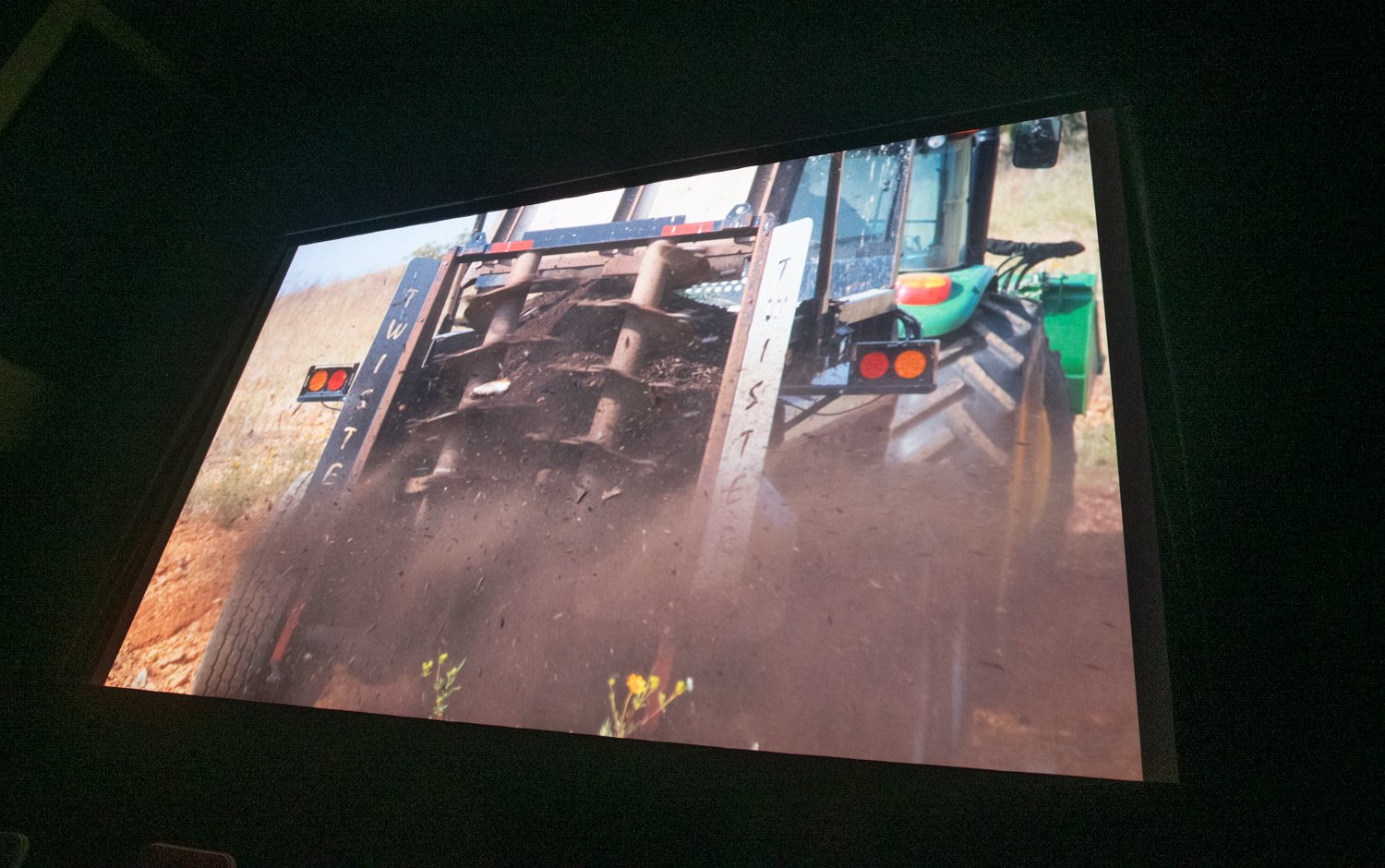
Green tractor with a tillage implement plowing a dusty field, dirt spray around rear wheels.
Compost, the star of the documentary and key ingredient to the restoration of Cardinal Valley, is shown being spread during the Cardinal Valley documentary.

The agency trustees city put together a plan that was awarded to the city to manage in 2014.

Randy Haas, as he retired from the DNR, was hired for the day-to-day management of the portion of the habitat that had been covered with top soil by the EPA.

It took two years for the compost process to be put in place. As the film shows, water is removed from the sludge, which is mixed primarily with ground-up wood chips for six to eight weeks.

The resulting compost was first spread and seeded by Haas about 10 years ago.

Hamilton told the filmmakers about being happily surprised that the right things were mixed in order to get the seeds to germinate.

Amera Wild, with the Friends of Cardinal Valley, remarks in the film that all of the new plants in the compost suddenly attracted much more life to the habitat, which was becoming “a whole ecosystem.”

In fact, she says Cardinal Valley has become an “incredible hot spot” for birds. More than 230 different species, either nesting or just passing through, have been sighted.

John Nichols, the current manager of Cardinal Valley, is also featured in the film as he uses equipment to spread the compost.

Mosby likens the restoration of Cardinal Valley as “putting Humpty Dumpty back together again.”

Likewise, Wild says the change “is like going from the moon to a forest.”

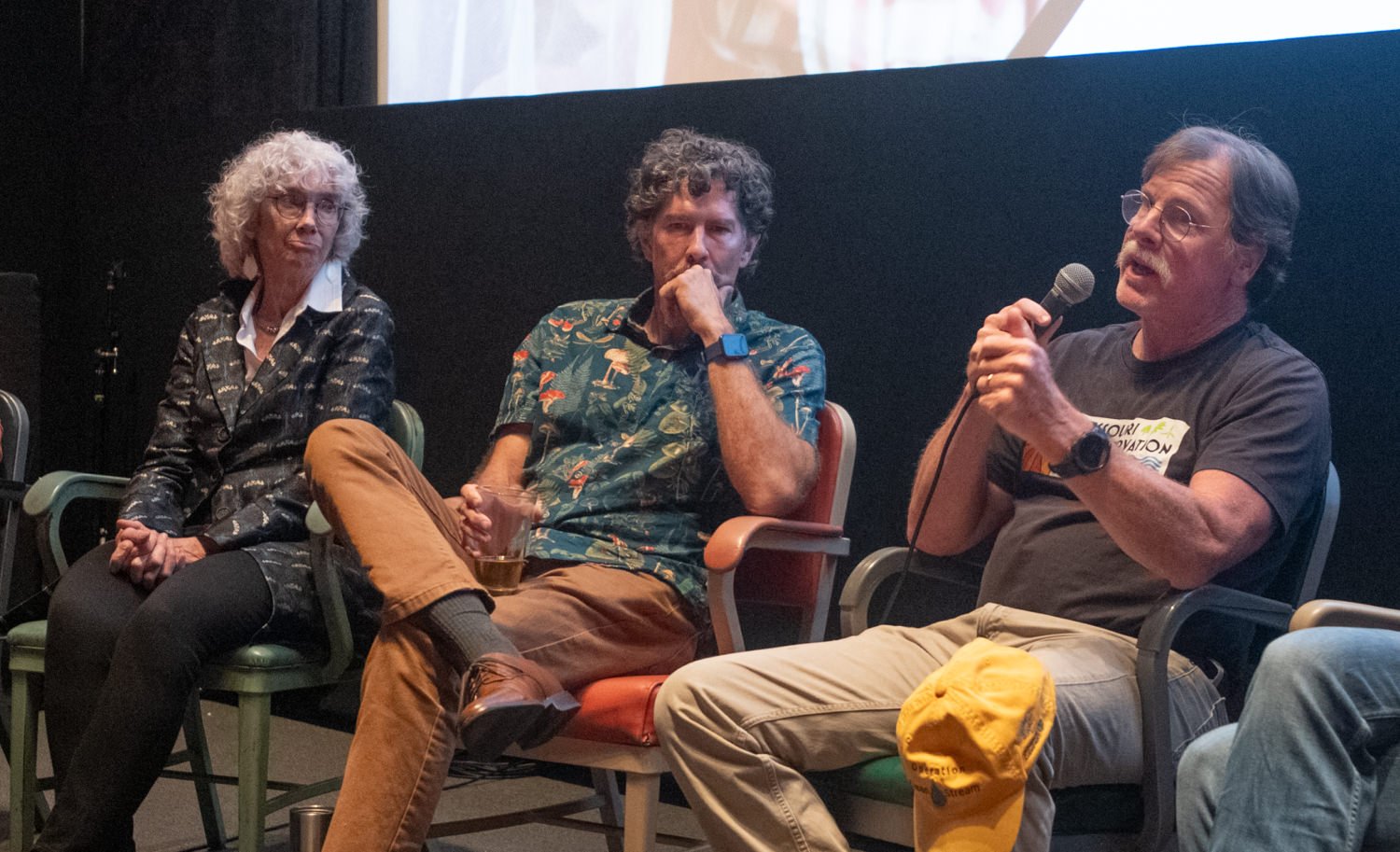
Three people sit on stage in a panel discussion; the man on the right speaks into a microphone while others listen.
After the documentaries were shown, Dave Mosby answers a question about using compost to restore wasteland during a panel discussion. Also shown on the panel are Meredith Ludwig and Scott Hamilton.

As the documentary comes to a close, Mosby notes there are “tens of thousands of acres” that could use a topping similar to the compost that’s being prepared here.

“I’d like to see it applied across the country,” says Mosby, adding “Go poop,” with a chuckle.

The film was shown at Ragtag Cinema an independent non-profit theater, as part of Creek Week, a series of events sponsored by Boone County Resource Management. Another film, “Living Soil” was shown after “Cardinal Valley: A Restoration Story.”

During a panel discussion after the documentaries were shown, Mosby noted that Webb City wasn’t the first to use sludge for compost. They researched other areas where sludge with heavy-metal content while developing a plan for Cardinal Valley.

Hamilton noted that after starting “with nothing,” nature has increased the initial 5-inch layer of compost to 7 inches. That happened as decaying grass and other organic matter has become part of the soil.

He received a question about the possibility that the compost contains forever chemicals (PFAS). “Thankfully,” he answered tests show the level of PFAS in the Cardinal Valley compost is well below the level of concern.

However, he cautioned that he’s aware of industrial sludge being spread on farm ground – “and that is a concern” realated to PFAS.

Mosby closed the discussion by saying that after 30 years of frustration with the wasteland around Webb City he is now hopeful.

Webb City and the Cardinal Valley trustees are willing to create more compost to restore other wasteland in this region  but haven’t been asked to do so yet.

The largest area of need is near the ghost town of Picher, Okla. Summer King, with the Quapaw Nation, says in the documentary that she is interested in the compost project, but her site is so large that she refers to it as a 100-year project.

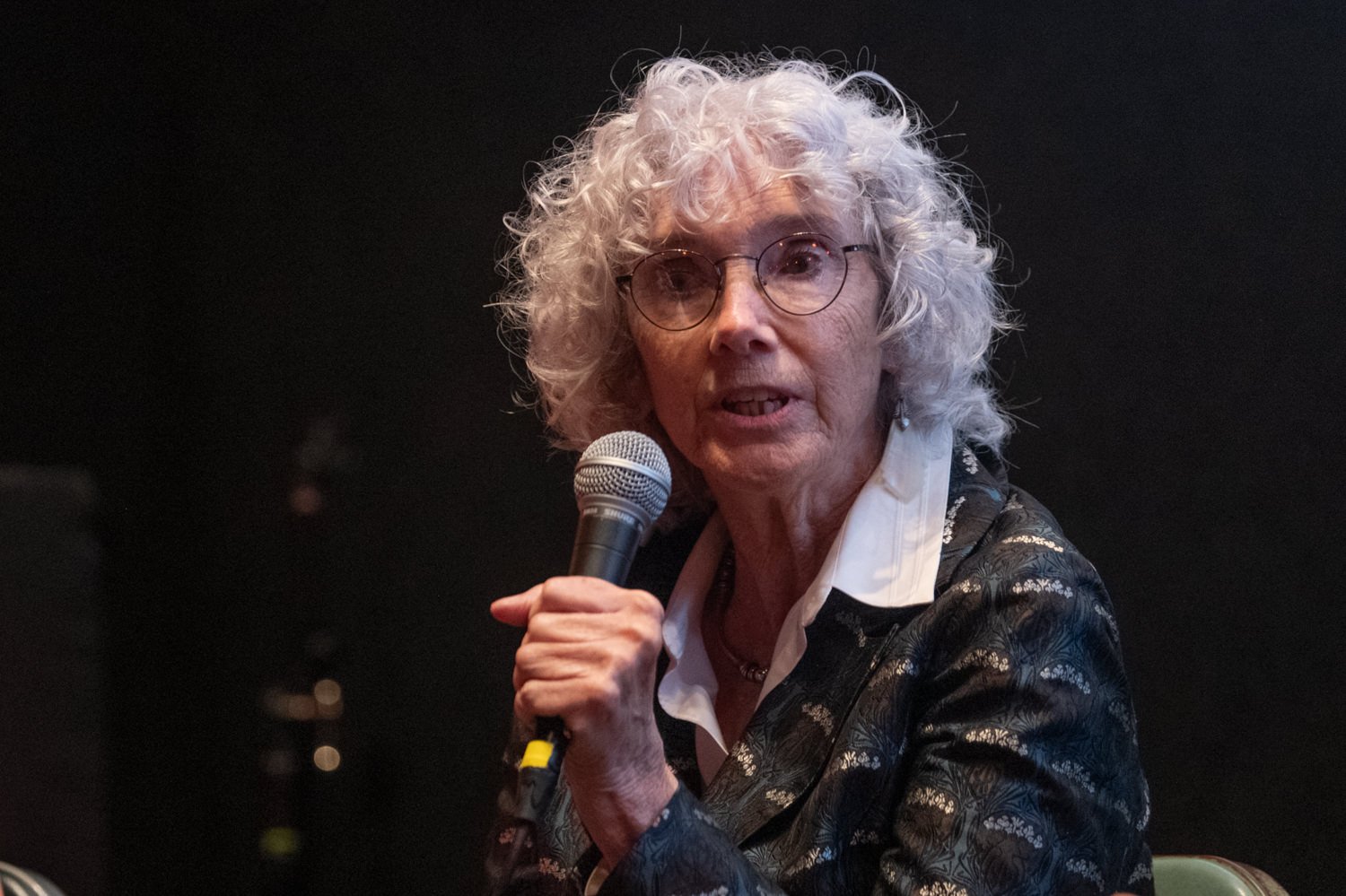
Elderly woman with curly white hair and glasses speaks into a handheld microphone on stage in a dark background.
Meredith Ludwig during the panel discussion.

Meredith Ludwig, producing director of the Cardinal Valley documentary, also spoke about the hope of expanding the use of compost. As she writes on the film’s website, “Stories like Cardinal Valley’s don’t just document restoration – they ignite it. When communities see what’s possible with compost, commitment, and vision, they begin to imagine their own damaged landscapes coming back to life.”

She says to stay tuned for a chance to see the film in Joplin later this summer.

Verified by MonsterInsights