

Jeanne Newby
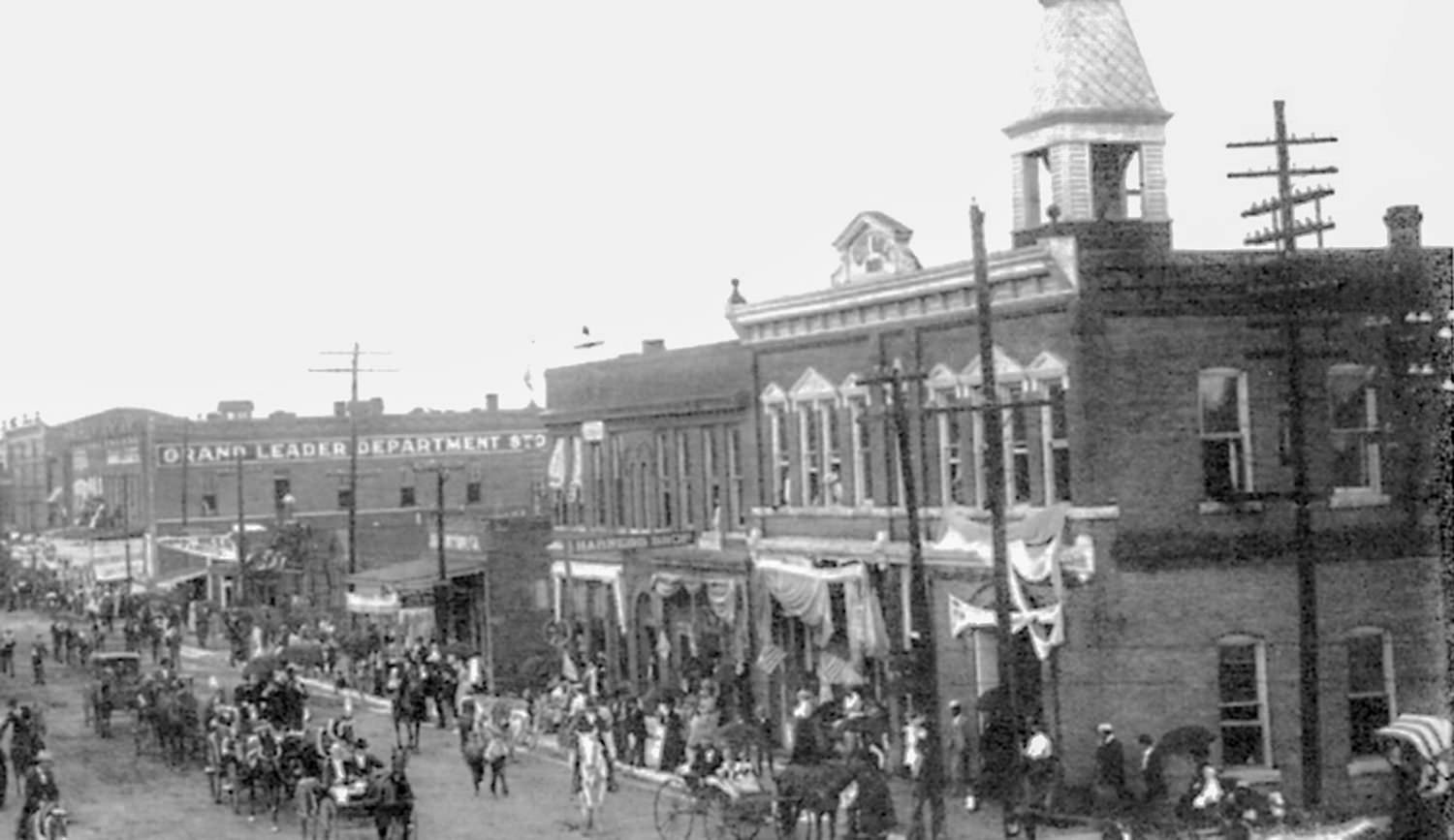
Let’s think back, if you will, to the days before automobiles. Webb City had dirt roads. The fire wagon was pulled by horses. The streetcars (trolleys) were pulled by mules, and most families got around in a buggy pulled by horses. Even the hearse was pulled by beautifully matched horses.
Some men traveled the area on horseback, and it took a bit longer to get from one point to another. Men would ride their horses into town, stop by the saloon and tie their horses to the hitching post outside of the business they were visiting. Sometimes, the men would stay too long at one saloon, and their horses would stand outside all day long. The city was dismayed at the pile of droppings that would accumulate as the horses stood there. City workers were kept busy with shovel and bucket as they cleaned up the droppings. Rainy days with mud and horse droppings made for an unpleasant smell and difficulty walking through the mud.
Many homes were not set up for the care of a horse and buggy. They relied on local businesses to care for their equipment and animals. The livery stables in town did the best they could to keep their customers happy. They housed the horses and kept them in great condition, including doctoring their hooves. The owner of Burris Livery Co., located at 109 and 111 E. Main St. (Broadway), was known to give the public his utmost attention. He also rented out any type of transport a person might need, from buggies to wagons.
Another well-known livery, located at Tom and Daugherty streets, was named the J.V. Wyatt Livery, Feed and Sale Stable. Mr. Wyatt had a reputation of being friendly and helpful, which accounted for his long business history.
On Webb Street, between First and Second streets (where the Elder Shirt Factory was located) was F.M. Hancock, a general black smithing and scientific horseshoer. He kept the horses disease-free and the carriages in tip-top shape.
Life in Webb City improved with the invention of the automobile and with Mayor George Moore paving the streets with brick in 1905.


We use cookies to improve your experience on our site. By using our site, you consent to cookies.
Manage your cookie preferences below:
Essential cookies enable basic functions and are necessary for the proper function of the website.
Statistics cookies collect information anonymously. This information helps us understand how visitors use our website.
Google Analytics is a powerful tool that tracks and analyzes website traffic for informed marketing decisions.
Service URL: policies.google.com (opens in a new window)