
Amera Wild
Wetlands may look quiet at first glance, but spend a little time observing, and you’ll discover a surprising world of life – from birds and frogs to insects and even giant Cecropia moths.
I’ve spent a lot of time volunteering at Webb City’s Cardinal Valley Habitat Restoration Area, and the longer I’m there, the more I notice the little details. Adjacent to Center Creek, some of Cardinal Valley’s ponds are more than open water – they’re places where land and water meet, and life quietly gathers.
Where plants grow between wet and dry ground, wetlands take shape. They give water a place to slow down and spread. When heavy rains come, and Center Creek rises, these wetlands help hold water and reduce flooding. As water soaks into the ground, it replenishes the aquifers we rely on, and the plants and soils filter it, keeping the water cleaner for wildlife and people downstream.
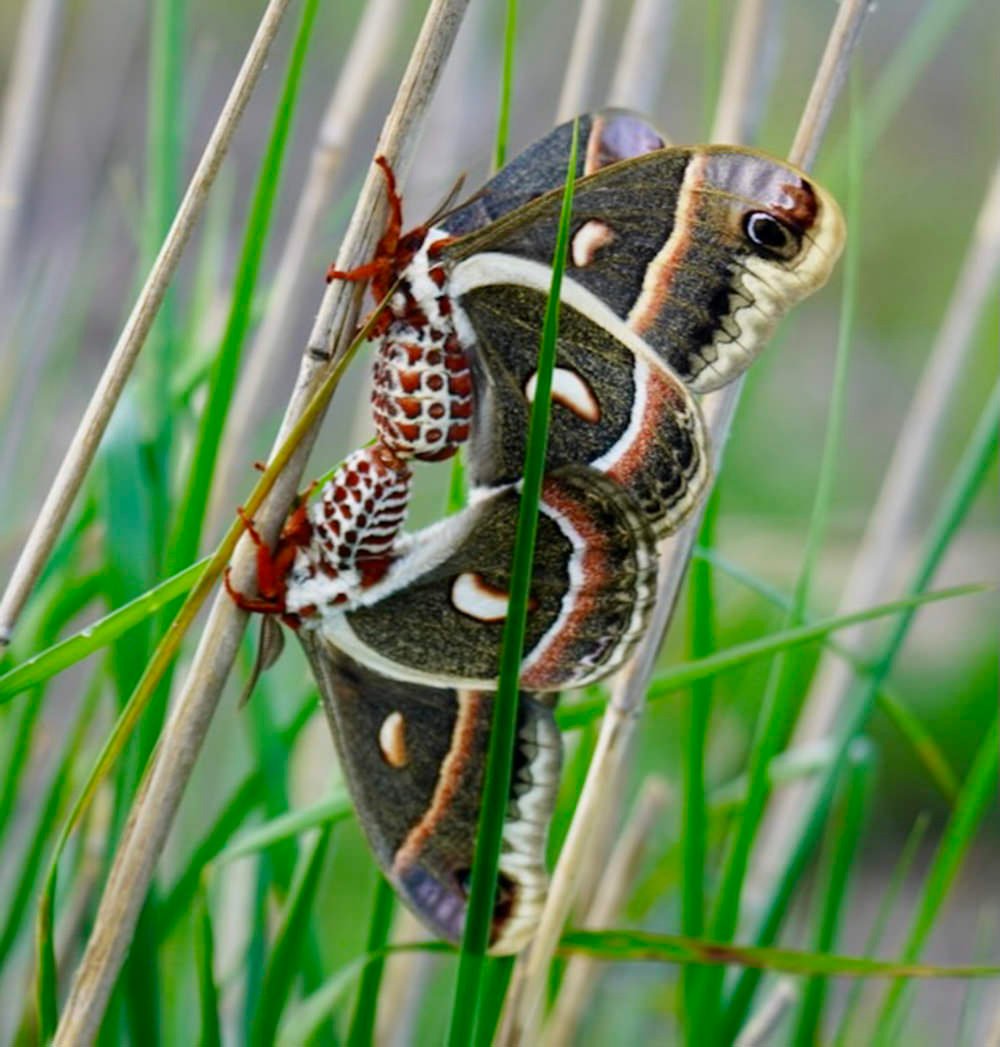
When I pause, I notice birds slipping through the reeds, mammals moving quietly through the grasses, frogs calling from the shallow water, and insects thriving nearby. These ponds feel alive once you realize how much life depends on them. Recently, we spotted a pair of Cecropia moths mating. These giant silk moths, with nearly six-inch wingspans, are bold and beautiful, yet they live a delicate, short life. Seeing them here reminded me that even small wetland areas provide vital spaces for wildlife to grow, feed, and reproduce.
World Wetlands Day, February 2, is a good reminder to slow down, notice, and celebrate these places. Wetlands quietly support life, protect our land and water, and help keep our communities safe. Simple actions such as packing out trash, respecting plants and wildlife, and supporting local conservation help them continue this quiet, essential work for years to come.